Why Are the Bees Taking So Long?

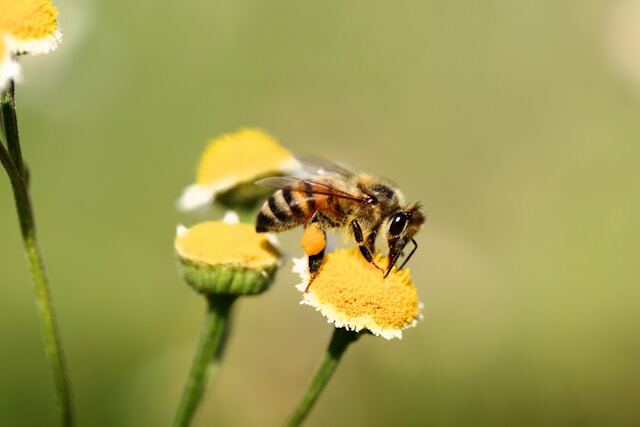
Many of you have been asking when the bees will be arriving at St. Andrew. The short answer? This beekeeper is asking the same question every day!
The delay goes back to the swarm that left the hive earlier this spring. When a colony swarms, the original queen departs with a large group of worker bees, leaving the remaining bees to raise a new queen. That process takes time. It takes about 16 days for a new queen to hatch, and then several more days for her to mature and take her mating flights. These flights can occur over several days, depending on weather conditions and the availability of drones.
Once she returns to the hive, the real work begins. The new queen starts laying eggs, but it takes a week or two for egg production to ramp up. Those eggs become larvae, then pupae, and eventually adult worker bees. Building a strong colony is not an overnight process.
Right now, we're in that waiting period. The queen is laying, and we're watching closely for signs that the colony is growing and gathering the resources it needs. By the end of next week, we hope to see lots of worker bees returning to the hive with their pollen baskets—sometimes called "bee britches"—packed full of pollen. That's a great sign that the colony is bringing in resources and investing in its future.
We inspect the hive every week, and the moment we believe the colony is strong enough to thrive in its new home, the St. Andrew bees will be on their way.
I am deeply grateful that the hive stand has been built and is ready to receive them. Please know that no one is more eager to move these bees than their beekeeper! Thank you for your patience as we give this young colony the time it needs to become healthy and strong.
Image: Gary Yost, unsplash.com